

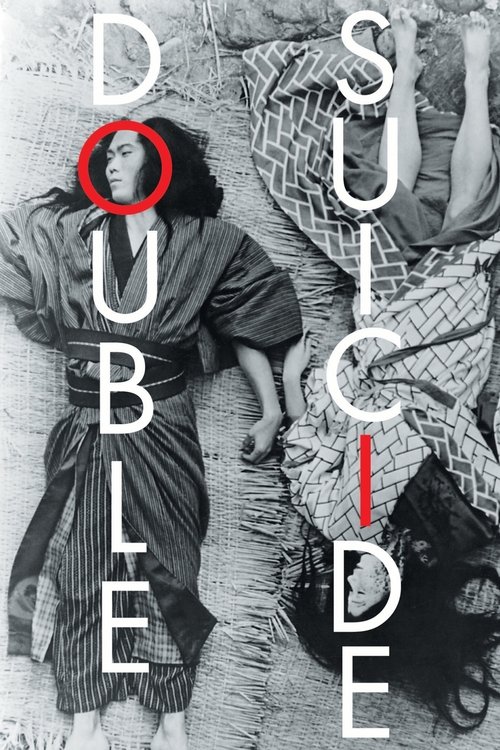
Double Suicide (1969) inflation-adjusted box office: ₹4 standard Crores, admissions reach: 0.0 Crore footfalls (PAX),Khara rating: 80%, film industry: Hollywood, USA 🇺🇸.
80%Khara
Drama
Double Suicide
₹4 sCr$2 s$M1969
0.0 Cr PAXHollywood, USA 🇺🇸
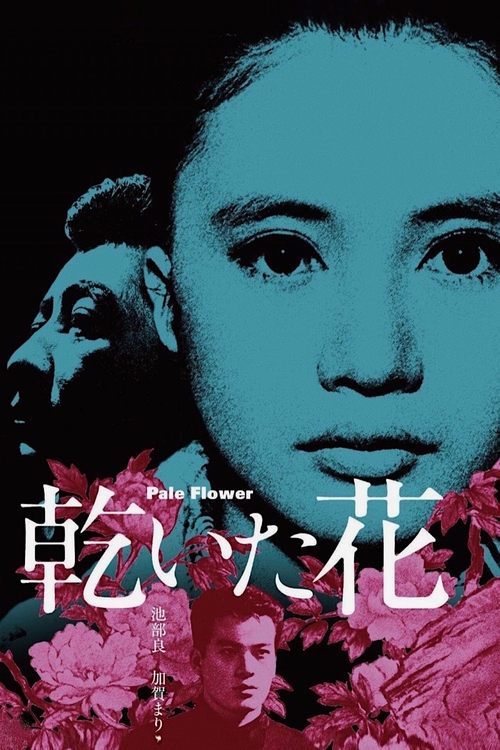
Original Title: Kawaita hana
₹10.77 sCr$4.95 s$M
₹250 ATP Baseline Standard$4.95 s$M
Global Parity Normalized0.04 Cr PAX
Muraki, a hardboiled Yakuza gangster, has just been released from prison after serving a sentence for murder. Revisiting his old gambling haunts, he meets Saeko, a striking young upper-class woman who is out seeking thrills, and whose presence adds spice to the staid masculine underworld rituals. Muraki becomes her mentor while simultaneously coping with the shifts of power that have affected the gangs while he was interred. When he notices a rogue, drug-addicted young punk hanging around the gambling dens, he realizes that Saeko's insatiable lust for intense pleasures may be leading her to self-destruction.
Adjust the slider to simulate what Pale Flower's 0.04 Cr footfalls would earn at different era ticket prices.
World population was 3.278B in 1964 vs 8.2B today (2026). Toggle to scale admissions to today's population.
₹10.8 Cr
Standard ₹250 Purchasing Power across modern nationwide cinemas.
Konsa’s Khara Score measures honest theatrical longevity and repeat audience demand. Cast your community vote:
Compare Pale Flower (1964) against all-time cinema giants:
Explore the cinematic filmography and box office trajectory of Masahiro Shinoda
All-time and modern blockbusters starring Ryō Ikebe
Highest inflation-adjusted real grosses across all Drama cinema
Theatrical giants that defined cinema in 1964
Highest grossing theatrical phenomenon from Hollywood, USA 🇺🇸