

Pale Flower (1964) inflation-adjusted box office: ₹11 standard Crores, admissions reach: 0.0 Crore footfalls (PAX),Khara rating: 81%, film industry: Hollywood, USA 🇺🇸.
81%Khara
Drama
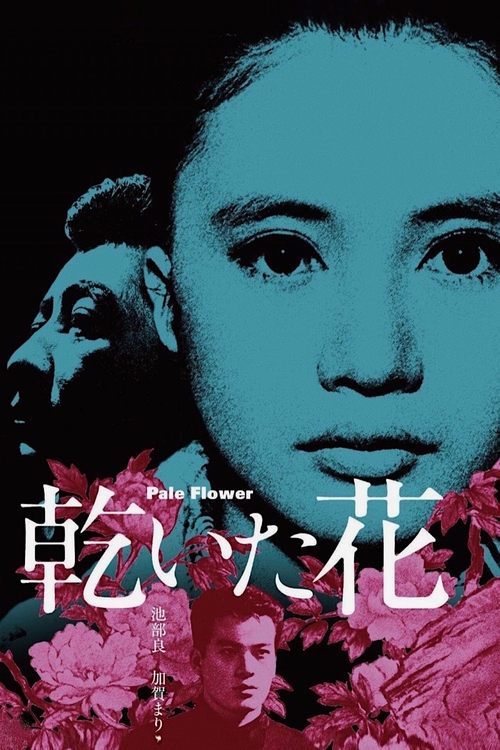
Pale Flower
₹11 sCr$5 s$M1964
0.0 Cr PAXHollywood, USA 🇺🇸
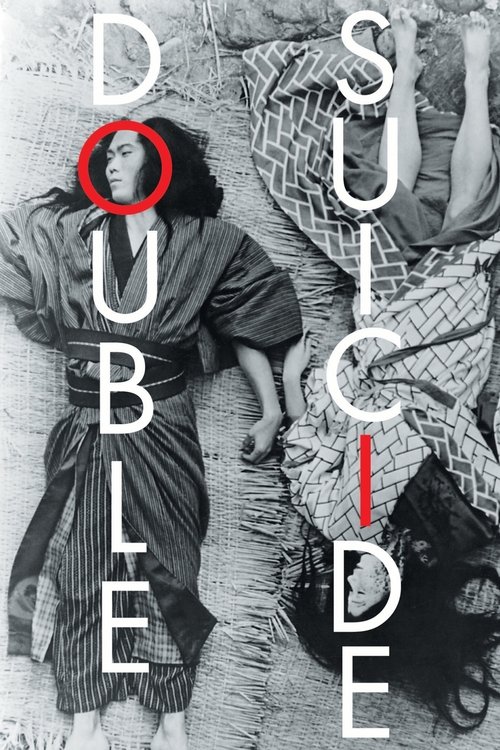
Original Title: Shinjû: Ten no Amijima
₹3.63 sCr$1.67 s$M
₹250 ATP Baseline Standard$1.67 s$M
Global Parity Normalized0.01 Cr PAX
Successful and married with children, paper-mill owner Jihei knows better than to contradict the strict social and moral codes of 18th-century Japan. But when he meets the lovely courtesan Koharu, he becomes a man obsessed. Koharu returns his love, even foregoing other customers while Jihei schemes to somehow buy her freedom. His efforts yield ruinous consequences for his business and his family life, and Koharu is meanwhile purchased by another client.
Adjust the slider to simulate what Double Suicide's 0.01 Cr footfalls would earn at different era ticket prices.
World population was 3.628B in 1969 vs 8.2B today (2026). Toggle to scale admissions to today's population.
₹3.6 Cr
Standard ₹250 Purchasing Power across modern nationwide cinemas.
Konsa’s Khara Score measures honest theatrical longevity and repeat audience demand. Cast your community vote:
Compare Double Suicide (1969) against all-time cinema giants:
Explore the cinematic filmography and box office trajectory of Masahiro Shinoda
All-time and modern blockbusters starring Kichiemon Nakamura II
Highest inflation-adjusted real grosses across all Drama cinema
Theatrical giants that defined cinema in 1969
Highest grossing theatrical phenomenon from Hollywood, USA 🇺🇸