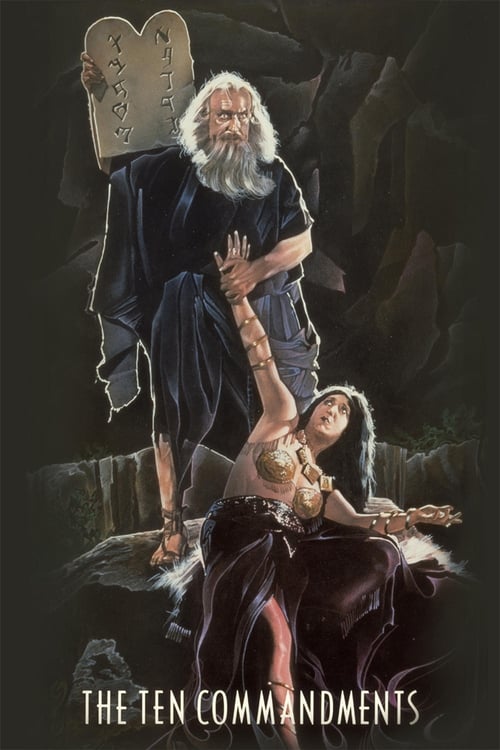



The Ten Commandments (1956) inflation-adjusted box office: ₹237 standard Crores, admissions reach: 0.9 Crore footfalls (PAX),Khara rating: 83%, film industry: Hollywood, USA 🇺🇸.


₹3.94 sCr$1.81 s$M
₹250 ATP Baseline Standard$1.81 s$M
Global Parity Normalized0.02 Cr PAX
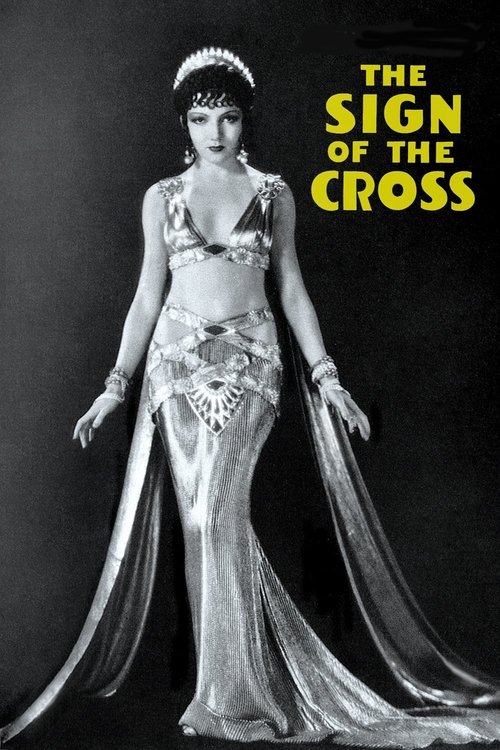
After burning Rome, Emperor Nero decides to blame the Christians, and issues the edict that they are all to be caught and sent to the arena. Two old Christians are caught, and about to be hauled off, when Marcus, the highest military official in Rome, comes upon them. When he sees their stepdaughter Mercia, he instantly falls in love with her and frees them. Marcus pursues Mercia, which gets him into trouble with Emperor (for being easy on Christians) and with the Empress, who loves him and is jealous.
Adjust the slider to simulate what The Sign of the Cross's 0.02 Cr footfalls would earn at different era ticket prices.
World population was 2.114B in 1932 vs 8.2B today (2026). Toggle to scale admissions to today's population.
₹4 Cr
Standard ₹250 Purchasing Power across modern nationwide cinemas.
Konsa’s Khara Score measures honest theatrical longevity and repeat audience demand. Cast your community vote:
Compare The Sign of the Cross (1932) against all-time cinema giants:
Explore the cinematic filmography and box office trajectory of Cecil B. DeMille
All-time and modern blockbusters starring Fredric March
Highest inflation-adjusted real grosses across all Drama cinema
Theatrical giants that defined cinema in 1932
Highest grossing theatrical phenomenon from Hollywood, USA 🇺🇸